


A confident smile is often associated with youth, braces, and those early dental visits that focused on alignment. Yet adulthood brings its own set of changes that can influence how teeth fit together. Subtle shifts in bite, spacing, or jaw comfort sometimes appear years after orthodontic treatment - or even in people who never had braces at all. These changes are not unusual, but they are often misunderstood.
Adult orthodontic evaluations are increasingly recommended not simply for cosmetic reasons, but for maintaining long-term oral health, comfort, and function. Understanding how and why bite changes occur helps patients make informed decisions rather than reacting only when discomfort develops.
Teeth are not permanently fixed in place. They sit in living bones that are naturally remodelled throughout life. As bone density changes, muscles adapt, and daily habits exert pressure, teeth can gradually move. This process is usually slow enough that people don’t notice until alignment changes become visible or uncomfortable.
Even individuals who completed orthodontic treatment years earlier can experience gradual relapse. Retainers help stabilize teeth, but inconsistent wear, natural aging, and external pressures can still influence positioning. Jaw development may also continue into early adulthood, further affecting bite balance. These biological factors explain why orthodontic evaluations remain relevant well beyond adolescence.
Daily routines often play a bigger role than people realize. Certain habits create repeated pressure on teeth, which may eventually alter alignment.
Common contributing habits include:
While each habit alone may seem minor, their cumulative effect over years can influence tooth positioning and bite comfort.
Orthodontic evaluations in adulthood are frequently driven by functional concerns rather than aesthetics. A misaligned bite can affect how efficiently teeth chew food, how evenly pressure is distributed, and even how jaw joints function.
When alignment is compromised, patients may experience uneven tooth wear, increased sensitivity, or jaw fatigue. Over time, these issues can contribute to restorative needs such as crowns,fillings, or more extensive treatment. Addressing alignment early helps prevent unnecessary strain on both teeth and supporting structures.
Some signs are subtle and easy to dismiss, especially when they develop gradually. Paying attention to small changes can prevent larger complications later.
Possible indicators include:
Patients often begin searching for a best dentist near me when these changes start interfering with comfort or confidence.
Gum health is closely connected to tooth stability. Healthy gums and supporting bone anchor teeth firmly. When gum disease develops, however, that support weakens. Teeth may loosen slightly, drift, or become more susceptible to alignment changes.
This connection highlights the importance of comprehensive dental care. Orthodontic evaluation is not just about straightening teeth - it also involves ensuring the surrounding tissues remain healthy enough to maintain alignment. Regular dental visits help identify gum concerns early and protect both periodontal health and orthodontic stability.
Orthodontic treatment has evolved significantly, making it more comfortable and discreet for adult patients. Many adults who previously hesitated about treatment now find modern options far more appealing.
Common adult-friendly options include:
These options allow adults to prioritize both aesthetics and functionality without disrupting their daily routines.
Beyond physical health, alignment can influence confidence and communication. Adults sometimes hesitate to smile fully when they notice shifting teeth. Addressing alignment concerns can improve self-image and social comfort, which often translates into greater confidence professionally and personally.
Patients frequently report that even minor adjustments help them feel more comfortable speaking, smiling, and interacting socially. While functional health remains the priority, emotional well-being is an important secondary benefit.
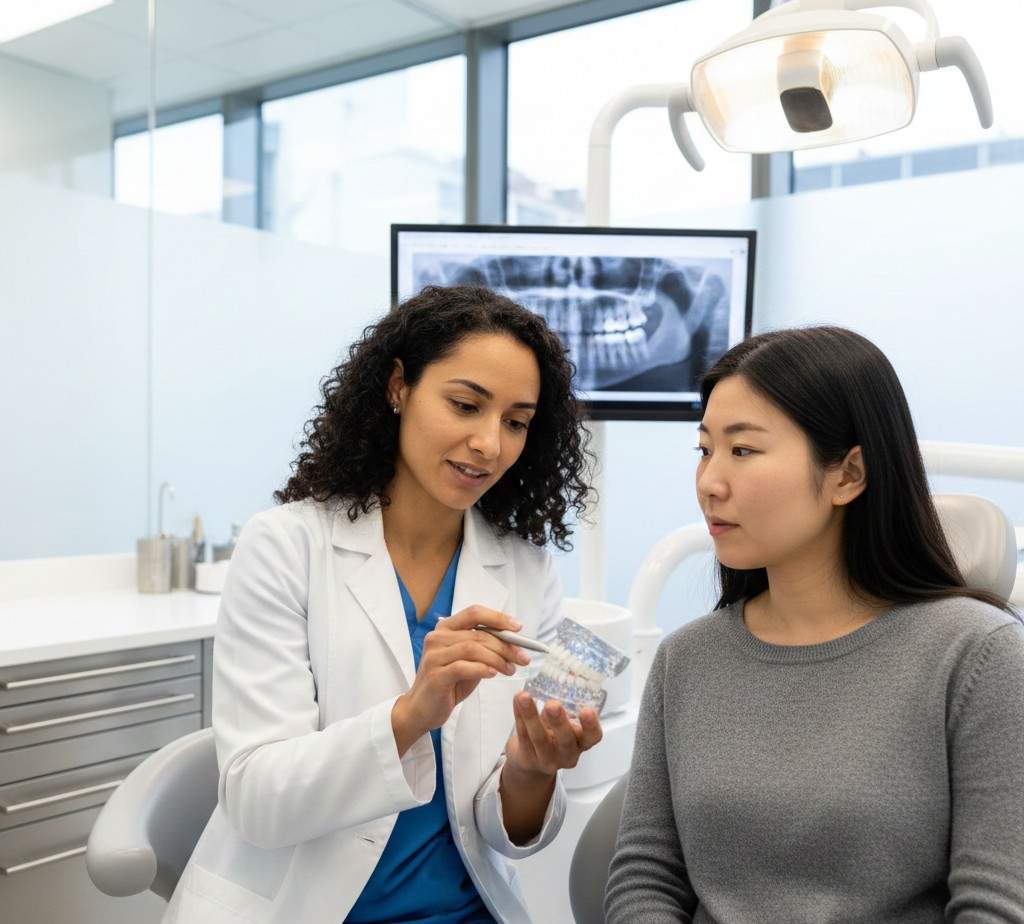
At WhiteHill Dental, orthodontic evaluation is not approached as an automatic pathway to treatment. Instead, the focus is on understanding each patient’s concerns, oral health history, and long-term goals.
Patients receive:
Individuals across Levittown (19054, 19055, 19056, 19057), Fairless Hills (19030), Fallsington (19054), Bristol (19007), and Tullytown (19007) often seek evaluation simply to understand changes they’ve noticed over time.
Preventive care often reduces the need for more extensive orthodontic treatment. Consistency matters more than complexity.
These measures support both alignment stability and overall oral health.
Orthodontic evaluation does not always lead to treatment. Sometimes reassurance or minor adjustments are all that is needed. However, certain situations strongly suggest scheduling an assessment.
Consider evaluation if you notice:
Dental alignment is not limited to childhood concerns. Teeth and jaw structures continue adapting throughout adulthood, influenced by aging, habits, gum health, and daily pressures. Recognizing these changes early supports long-term oral health, comfort, and confidence.
WhiteHill Dental in Levittown, PA provides thoughtful orthodontic evaluations designed to help adults understand bite changes without pressure toward unnecessary treatment. Whether you’re experiencing subtle shifts or simply want reassurance about your dental health, professional evaluation offers clarity and peace of mind.
Maintaining alignment is not about perfection - it is about preserving function, comfort, and a healthy smile for years to come.