


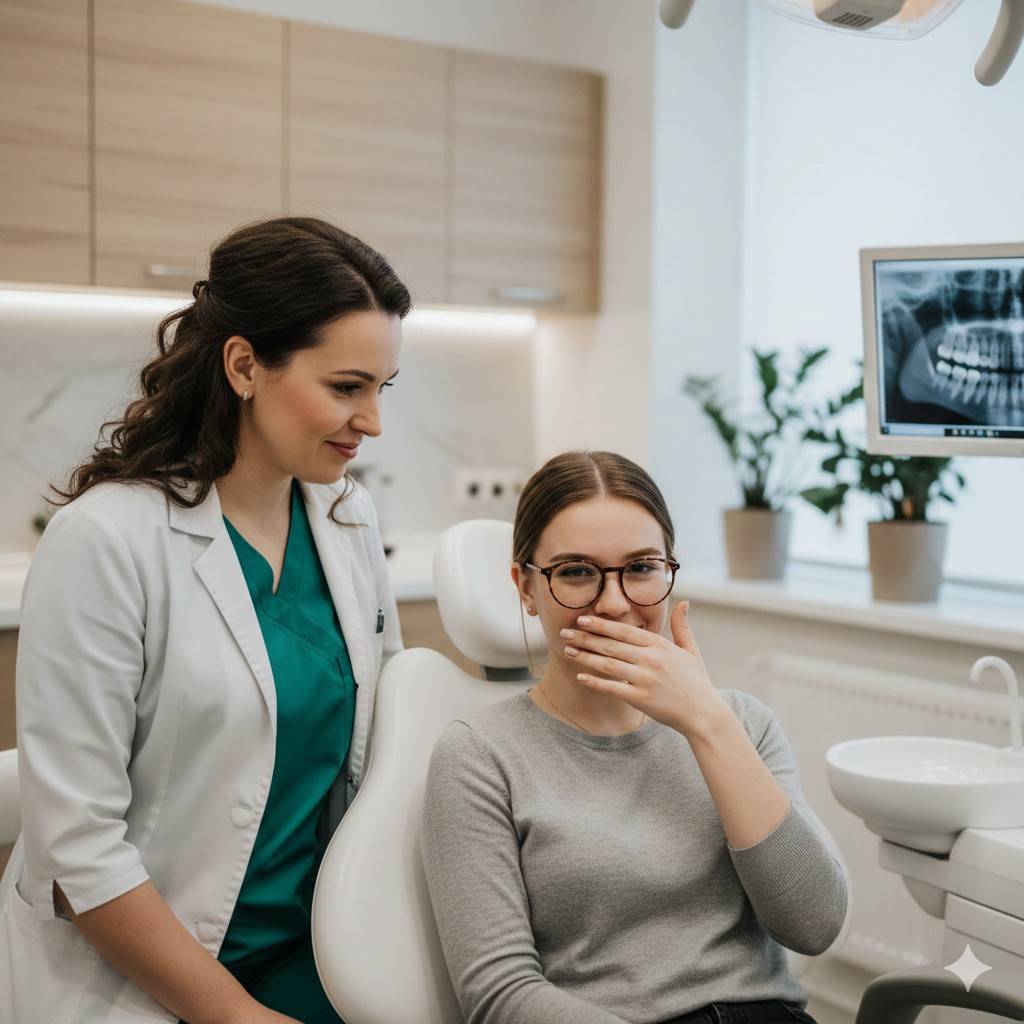
If you've ever covered your mouth while speaking or worried whether your breath smells unpleasant, you are not alone. Concerns about bad breath are far more common than most people admit. What many don't realize, however, is that persistent changes in breath are often not just a hygiene issue. They can be an early signal that something deeper is happening in the mouth.
At White Hill Dental in Levittown, PA, we regularly see patients who arrive after searching for the best dentist near me because they are concerned about ongoing bad breath. In many cases, their breath is revealing important clues about their oral health long before pain or visible problems appear.
Bad breath that follows a strong meal or morning dryness is usually short-lived. It improves with brushing, hydration, or time. Chronic bad breath behaves differently. It tends to persist, return frequently, or worsen over time.
Temporary causes often include:
Ongoing halitosis, however, usually suggests bacterial buildup, infection, or inflammation in the mouth. Patients searching for a top-rated dentist near me often discover that their breath is actually an early warning sign of dental disease.
The mouth naturally contains bacteria. When those bacteria feed on food debris and plaque, they release sulfur compounds that create noticeable odor. The longer bacteria are allowed to remain undisturbed, the stronger the odor becomes.
Common sources of odor-producing bacteria include:
These conditions rarely improve on their own without professional care.
Chronic halitosis often reflects specific oral health concerns. While only an exam can confirm the cause, ongoing bad breath is commonly associated with:
Patients who visit a dentist in Levittown, PA early often prevent these issues from progressing into more serious conditions.
One of the most overlooked causes of chronic bad breath is gum disease. In its early stages, gum disease may not cause pain, but bacteria beneath the gums can create a persistent odor that does not go away with brushing alone.
Signs that bad breath may be linked to gum health include:
Addressing gum disease early is critical for both breath improvement and long-term oral health.
Saliva plays a key role in controlling bacteria. When the mouth becomes dry, bacteria multiply more easily, leading to stronger odors. Dry mouth can result from medications, dehydration, mouth breathing, smoking, or certain medical conditions.
Many patients who feel they practice good oral hygiene still struggle with bad breath because saliva production is reduced. A trusted dentist near me can help identify whether dry mouth is contributing and offer solutions.
Breath mints, sprays, and strong mouthwash may offer short-term relief, but they do not treat the source of the odor. In some cases, overuse of alcohol-based rinses can worsen dryness and intensify the issue over time. True improvement occurs only when the underlying cause is identified and addressed through proper dental care.
When patients visit White Hill Dental with concerns about breath, the focus is on identifying what is happening beneath the surface. Depending on the cause, treatment may involve:
Once the underlying problem is treated, patients often experience lasting improvement rather than temporary masking.
While professional care addresses the root cause, daily habits help maintain results.
Helpful habits include:
These habits are often recommended by patients' dentists in Levittown, PA as part of long-term prevention.
Patients are often hesitant to discuss bad breath, but it is a concern we address every day. Our approach is thoughtful, respectful, and focused on solutions rather than judgment.
We provide:
Many individuals searching for the best dentist near me choose White Hill Dental because they value straightforward answers and personalized care.
White Hill Dental provides comprehensive dental care for patients throughout:
Your breath can be one of the earliest indicators that something in your oral health needs attention. Persistent changes should not be ignored, as they often signal issues such as gum disease, decay, dry mouth, or infection.
At White Hill Dental in Levittown, PA, we help patients move beyond uncertainty by identifying the cause and providing meaningful solutions. If you are concerned about ongoing bad breath and are searching for a top-rated dentist near me, our team is here to provide clear answers and effective care.
Addressing the cause early protects both your oral health and your confidence.