


A healthy smile is not built in a single appointment. It is shaped over time through consistent care, small daily habits, and regular professional evaluations. While brushing and flossing are essential, they are only part of the equation. Dental check-ups play a much larger role than many people realize, often preventing issues long before they become visible or uncomfortable.
For patients of all ages, routine dental visits provide a structured way to monitor oral health, maintain existing dental work, and catch subtle changes early. Whether it's a child developing their first set of teeth or an adult maintaining restorations, regular check-ups offer long-term stability that goes beyond immediate treatment.
Preventive care shifts the focus from reacting to problems to avoiding them altogether. Instead of waiting for cavities, gum issues, or discomfort to appear, regular check-ups allow dentists to identify early warning signs that are often invisible to the patient.
Small concerns, when detected early, are typically easier to manage. A minor area of decay can be treated quickly, while early gum inflammation can often be reversed with improved hygiene and professional care. Without regular visits, these same issues may progress into more complex conditions requiring extensive treatment.
Preventive dental care also supports confidence. Patients who stay consistent with check-ups often feel more in control of their oral health because they are not waiting for unexpected problems to arise. This proactive approach helps reduce anxiety and creates a more predictable dental experience over time.
A dental check-up is far more comprehensive than a simple cleaning. It is a complete evaluation of the teeth, gums, and supporting structures, combined with professional cleaning to remove buildup that daily brushing cannot fully eliminate.
During a routine visit, the dental team typically focuses on:
This combination of evaluation and cleaning ensures that both visible and hidden concerns are addressed.
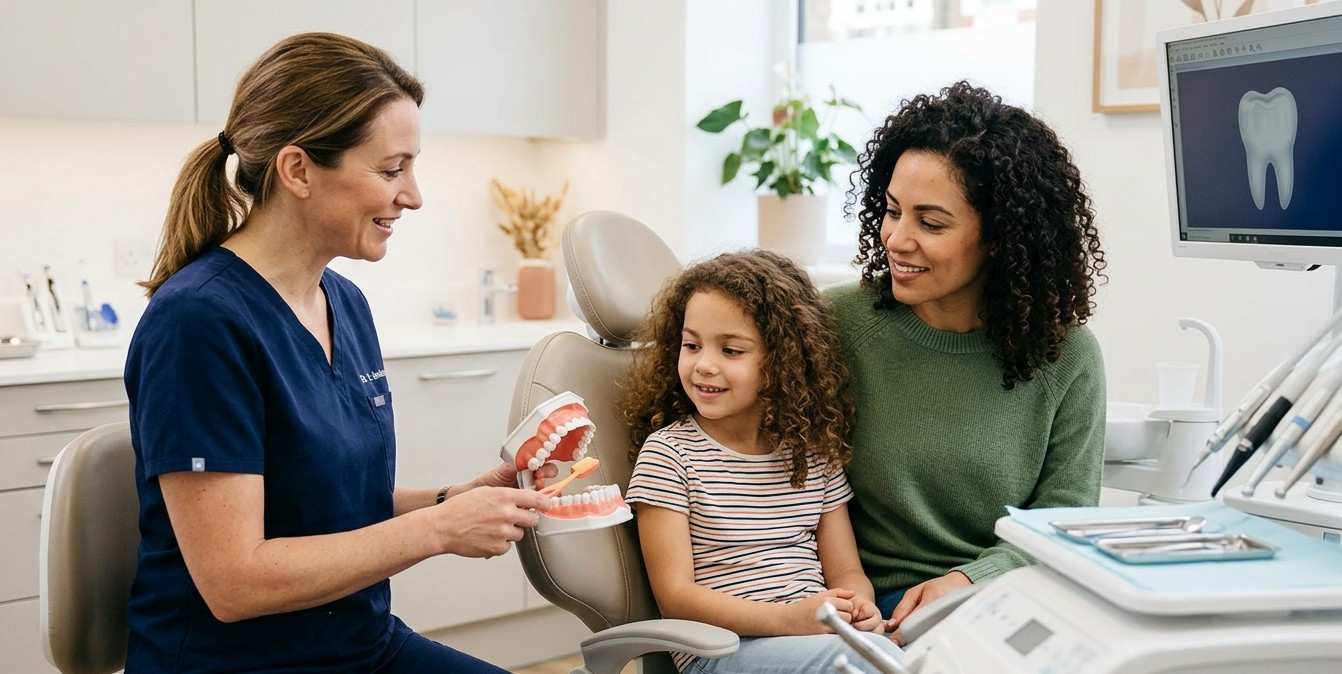
Children experience rapid changes in their oral structures, making routine dental visits especially important during early years. These visits are not only about preventing cavities but also about guiding proper development.
During childhood, check-ups help monitor:
Establishing regular visits early also helps children become comfortable in a dental setting. This familiarity reduces anxiety and encourages positive attitudes toward oral health as they grow older.
Preventive treatments such as fluoride applications or sealants may also be recommended to strengthen teeth and reduce cavity risk during these developmental years.
As responsibilities increase, dental care is often pushed aside unless something feels wrong. However, many dental issues develop gradually and remain painless until they reach an advanced stage.
For adults, regular dental check-ups provide a way to maintain stability and avoid unexpected complications. These visits allow dentists to monitor changes in tooth structure, gum health, and bite patterns that may not be noticeable day to day.
Routine visits are particularly important for:
Patients searching for a best dentist near me often discover that consistent check-ups reduce the likelihood of needing urgent or complex treatment.
Dental restorations such as fillings, crowns, and bridges are designed to last, but they still require monitoring. Over time, wear, pressure, and natural changes in the mouth can affect how these restorations function.
Regular check-ups help ensure that restorations remain stable and effective. Dentists can identify small issues before they lead to more significant problems.
Common aspects monitored include:
Maintaining existing dental work is often more cost-effective and less invasive than replacing it later.
Gum disease often develops quietly, making it one of the most overlooked dental concerns. Early stages may present with mild symptoms such as slight bleeding during brushing, which many people ignore.
Regular check-ups allow dentists to identify these early signs and recommend appropriate care before the condition progresses.
Preventive gum care includes:
Addressing gum health early helps preserve the stability of teeth and prevents more advanced periodontal issues.
While a six-month interval is commonly recommended, the ideal frequency of dental visits can vary depending on individual needs. Some patients benefit from more frequent visits, especially if they have a history of dental concerns.
Factors that may influence visit frequency include:
A personalized schedule ensures that each patient receives care appropriate to their specific situation.
Consistent dental care is most effective when patients feel supported and informed. WhiteHill Dental focuses on building long-term relationships that prioritize prevention, education, and personalized care.
Patients appreciate an approach that includes:
Individuals from Levittown (19054, 19055, 19056, 19057), Fairless Hills (19030), Fallsington (19054), Bristol (19007), and Tullytown (19007) often choose regular check-ups as a way to maintain consistent oral health without uncertainty.
Regular dental check-ups are not just about maintaining clean teeth. They provide structure, predictability, and reassurance. Over time, this consistency reduces the likelihood of unexpected problems and helps patients feel confident about their oral health.
Patients who maintain routine visits often experience:
Consistency becomes the key factor in preserving a healthy smile.
Regular dental check-ups play a vital role in maintaining oral health for patients of all ages. They provide the opportunity to detect problems early, preserve existing dental work, and prevent future complications. From childhood development to adult maintenance, these visits support long-term stability and confidence.
WhiteHill Dental in Levittown, PA emphasizes preventive care as the foundation of lasting oral health. By staying consistent with dental visits, patients can protect their smiles, reduce the need for extensive treatment, and maintain a sense of control over their oral well-being.